Quiet Luxury, Decoded: Looking Expensive Without Logos
Quick Answer: Quiet luxury runs on four learnable principles: fabric with weight and drape (wool, silk, cashmere, dense cotton), a palette that blends rather than announces (camel, cream, grey, navy, black), fit precise enough that a tailor was involved, and ruthless editing. None of them require a budget — a $50 blazer altered to fit beats a $500 one off the rack, every time.
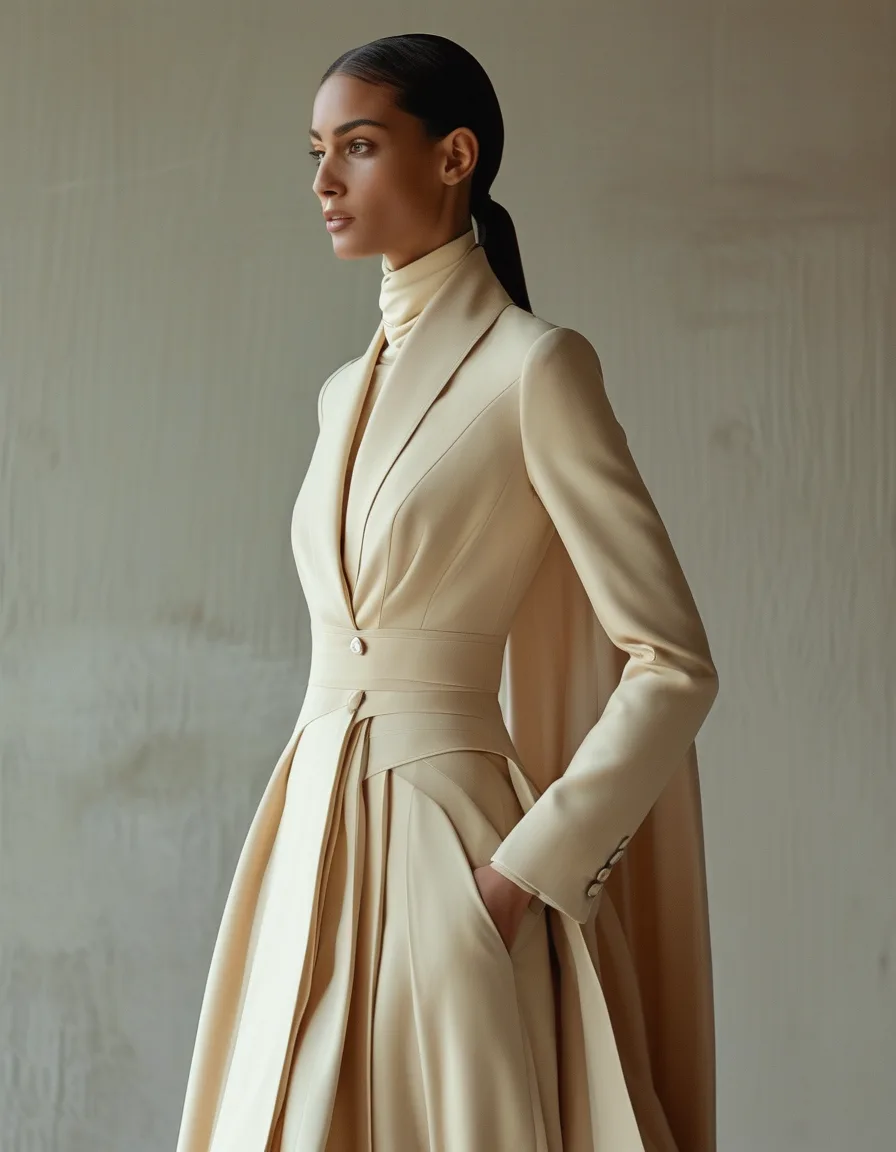
The most expensive-looking woman in the room is almost never the one wearing a logo. She’s usually in a camel coat, a cream knit, and trousers that fit like someone measured her, because someone did.
Quiet luxury got labeled a trend around 2023, which was always slightly wrong — it’s the aesthetic wealthy people had been quietly wearing for about a century before it got a hashtag.
The genuinely useful news: it’s a set of principles, not a price point. Three of the four cost nothing.

What Is Quiet Luxury, Exactly?
Dressing where quality speaks and branding stays silent. Perfect fabrics, flawless fit, timeless shapes, nothing announcing itself.
The underlying message is “I have nothing to prove,” which is why it reads as expensive even when it isn’t — status signaling that removes the signal is the most confident version of the move.
What separates it from plain minimalism is the emphasis on material and construction. Minimalism can be a $12 t-shirt in beige. Quiet luxury is about how something is made and how it hangs. Confidence is the real logo, and fabric is what makes confidence look intentional rather than accidental.
Why Does Fabric Matter More Than Anything Else?
Because fabric is the single thing your eye reads as expensive from across a room, before it registers cut or color.
Wool, silk, cashmere, linen, and dense cotton have weight and drape. They hang from the body in a smooth vertical line and move as one piece. Thin polyester clings, wrinkles in a distinctive way, catches light with a slight sheen, and — most tellingly — hangs away from the body in stiff planes rather than falling.
One good-fabric piece outshines five synthetic trend pieces, and it does so in every photograph, under every light.
Practical rules for shopping by material:
- Read the composition tag before the price tag. This inverts how most people shop and it’s the single highest-return habit here.
- Shop with your fingertips. Weight in the hand is the fastest test. Lift a sleeve — does it fall or does it hold a shape?
- Blends are fine; ratios matter. 80% wool with 20% nylon is a durable, sensible fabric. 20% wool with 80% acrylic is an acrylic garment with a marketing claim.
- Secondhand is the cheat code. Vintage wool coats and silk blouses are abundant, cheap, and made to standards that mid-market new clothing doesn’t meet.

What Colors Work for Quiet Luxury?
Camel, cream, grey, navy, black, chocolate brown, olive. Colors that blend rather than announce.
The mechanism is that a restrained palette lets fabric and cut become the visible features. In a loud print, the print is what you see; everything else disappears behind it. In a tonal camel-on-cream outfit, all your eye has left to read is the quality of the material and the precision of the fit — which is exactly the trade quiet luxury wants to make.
Tonal combinations do the sophistication work for you. Two or three shades from the same family, head to toe, looks deliberate with almost no styling skill required. It’s the easiest high-return move in the whole aesthetic.
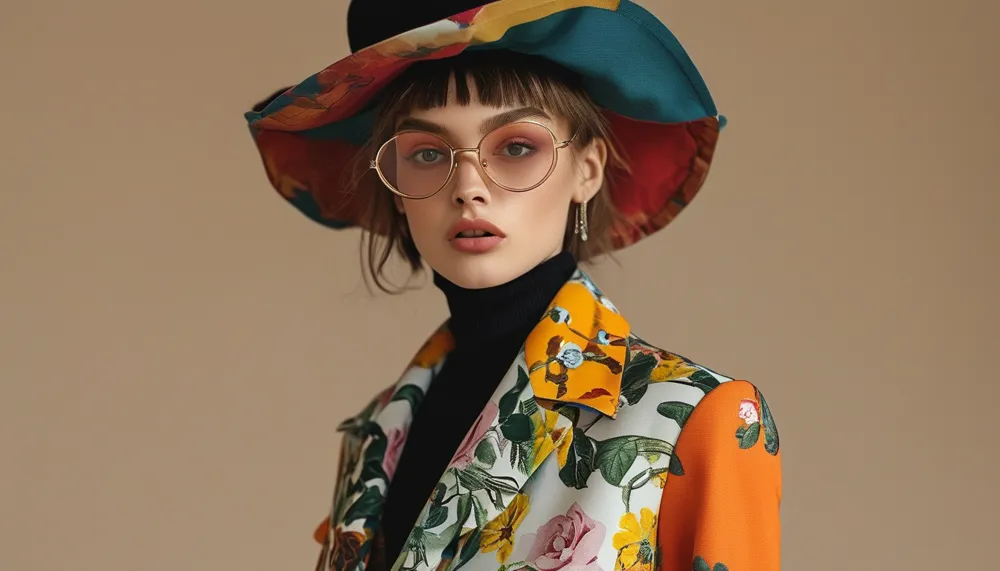
This isn’t a ban on color. A deep burgundy knit or a forest green coat sits perfectly inside the genre. What sits outside it: high-contrast prints, anything neon, and visible branding of any kind.
Why Is Fit Non-Negotiable?
Because fit is where the aesthetic actually lives or dies, and it’s the part money can’t buy off the rack.
The specifics that register, in order of visibility:
- Shoulders sitting exactly at your shoulder point. This is the one thing a tailor genuinely struggles to fix, so it’s the one to get right when buying.
- Sleeves ending at the wrist bone, showing a half-inch of shirt cuff if you’re wearing one.
- Trousers breaking cleanly — one soft fold at the shoe, or no break at all. A puddle of extra fabric at the ankle undoes an otherwise perfect outfit.
- Waistbands that sit without gapping at the back.
A $50 blazer tailored beats a $500 one off the rack. That’s not a motivational line, it’s just how proportions work — the expensive blazer that doesn’t fit your shoulders reads as a borrowed jacket regardless of what it cost.
Rough costs: hemming trousers $15–25, taking in a waist $20–30, shortening sleeves $25–40. Under $100 will transform most of what’s already in your closet. The tailor is the aesthetic’s best-kept secret, and using one is the fastest possible route into it.
The Editing Principle: Fewer, Better, Considered
Every piece has to earn its place. Accessories minimal and structural — a good watch, one gold chain, a structured bag in a neutral. Grooming clean. Everything intentional.
The luxury is in what you chose not to wear. An outfit with one thing removed almost always reads more expensive than the same outfit complete, which is a genuinely uncomfortable thing to test in a mirror and reliably true.
The practical version: build a wardrobe of 25–35 pieces that all work together, in a palette narrow enough that any top goes with any bottom. That coherence is what people are reading when they say someone “always looks put together.” It isn’t taste; it’s a limited palette doing arithmetic.
Where to spend, if the budget is finite: coat, shoes, bag, and one good knit. Those four carry an entire wardrobe, and they’re the pieces where material quality is most visible. Everything else can be inexpensive as long as it’s the right color and it fits.
Myth vs Fact: Quiet Luxury
Myth: It requires an expensive wardrobe. Fact: Three of the four principles — palette, fit, editing — cost nothing. The fourth, fabric, is solved secondhand: vintage wool and silk are cheap and frequently better made than new mid-market clothing.
Myth: It means wearing only beige. Fact: It means a restrained palette, which includes navy, chocolate, burgundy, and forest green. Beige-only is a different and much less flattering aesthetic that got confused with this one.
Myth: Expensive clothes look expensive. Fact: Fit does most of the work. A costly jacket sitting wrong on the shoulders reads as borrowed regardless of price, and a cheap one altered properly reads as tailored.
Myth: It’s a trend that will pass. Fact: The label will. Good fabric, precise fit, and a narrow palette predate the phrase by about a century and will still be working when the term sounds dated.
Mini FAQ
Can you do quiet luxury on a budget?
Yes, and it’s arguably easier than most aesthetics. Three of the four principles — palette, fit, and editing — cost nothing but attention. For fabric, buy secondhand: vintage wool, cashmere, and silk are widely available at a fraction of new prices and often made better.
What’s the difference between quiet luxury and minimalism?
Minimalism is about quantity and visual simplicity. Quiet luxury is about material and construction quality. You can be minimalist in cheap fabrics, and you can do quiet luxury with pattern and texture. They overlap heavily in practice, which is why they get confused.
Is quiet luxury going out of style?
The name will, the way trend labels always do. The underlying approach — good fabric, precise fit, restrained palette, edited wardrobe — predates the label by a century and will outlast it. That’s more or less the definition of the genre.
TL;DR:
- Four principles: fabric with weight and drape, a blending palette, precise fit, ruthless editing.
- Read the composition tag before the price tag, and shop with your fingertips.
- Tonal dressing in camel, cream, grey, or navy does the sophistication work for you.
- A tailored $50 blazer beats an untailored $500 one — under $100 of alterations transforms most closets.
- Spend on coat, shoes, bag, and one good knit; everything else just needs to fit and match.
Quiet luxury is a discipline anyone can practice: honest fabrics, whispering palettes, faultless fit, ruthless editing. Skip the logos, befriend a tailor, and let quality speak in its low, unmistakable voice. Looking expensive was never about spending more.
Keep Reading
This article is for general styling and informational purposes only. Trends, sizing, availability and pricing may vary by brand and season.